The Fountain Institute is an independent online school that teaches advanced UX & product skills.
A Font that AI Can't Read, Getty Goes Bankrupt, and a New Job for Journey Maps
A Font that AI Can't Read, Getty Goes Bankrupt, and a New Job for Journey MapsDear Reader, Happy Halloween! I've got you a full sack of newsletter treats for you and the product team so let's jump right into it. Here's what you need to know about the last two weeks in the tech/product/design world... A font that hides words from AISource Eric Lu's new Decoy Font is a typeface that (for now) allows you to hide things from AI. It's an old trick called Hybrid Image where each letter has two letters. Up close the outlines spell a decoy word: "treat" in the above image. But from far away, a blurry version spells the real message ("trick"). The key is that AI reads the lined-based word, not the blurry dark one that seems clearer to the human eye. It's free for personal, commercial, and client work, so enjoy writing little insults for your agent that only you can read...I know what I'm doing this Friday night. Meanwhile, AI-generated images claimed a victimGetty Images filed for Chapter 11 bankruptcy on October 21. In a sign of the times, the company has gone bankrupt due to AI-generated competition. It's not closing completely, though. They're going private, and they say we won't notice a thing. Not sure how that works, but we'll miss the celebrity photos nobody asked for, and we'll especially miss the weird stock photos. I know you didn't ask, but here are some of my favorites: What happens at the intersection of art & design
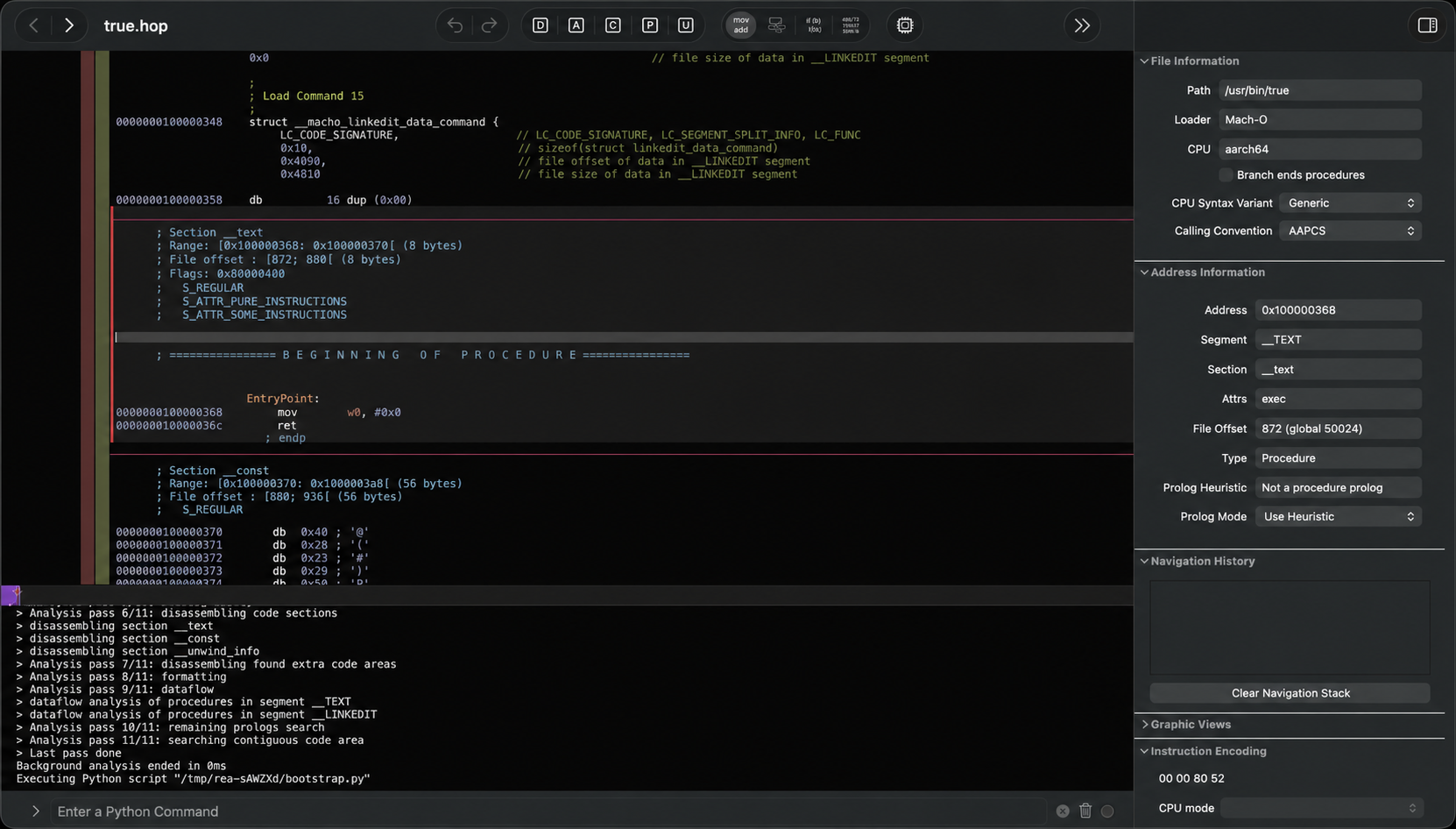
source Reverse Engineer Anything (REA)
Source Ever looked at an app and thought, "I wonder how they built that and I wonder if I could get Claude to re-create it?" Well...you're in luck. This free open-sourced toolkit gives your AI agent the power to take apart software and tell you how it works. Not to give you a fright, but you will probably have to use the terminal...😱 Get a second (and third) opinionSince AI loves to agree with you, here's a prompt that makes it argue with itself instead. Act as two advisors analyzing [decision]. Advisor A argues for [option 1] as a [role with a stake]. Advisor B argues for [option 2] as a different [role with a stake]. Each gives 3 arguments with reasoning. Then write a one-paragraph reconciliation stating which arguments survive scrutiny and what recommendation follows. Flag any claim that needs verification. Source: r/PromptEngineering Have you tried unplugging yourself?source Realization rateThe Realization Rate is how much value actually shows up as measurable results. If the business says we're going to get a million in savings, but you only get 200k, the realization rate is 20%. Bain just released an article rating AI, and the realization rate across 951 companies is not good:
It seems like the realization rate for AI is still going to take some time. But it's a great example of how a realization rate might not be what you expect. How to use the term: When someone pitches something, ask, "What's the realization rate?" The response is always a guess, and it forces people to frame the risk in realistic terms...and you seem like a real top dawg for asking about it. You're welcome. A new job for your journey maps and service blueprints
Harvard Business Review just released an article that pitches a solution for AI's poor performance: mapping. Yes, that journey mapping and service blueprinting we all know and love has a new use, and that's mapping where work can be redesigned with AI. Here's what they found with mapping:
So don't sleep on mapping. Visualize those workflows from end to bloody end. And tell 'em Harvard said you'll get a 44% boost for it. And when they say, "A 44% boost in what?!" Just nod your head yes and keep mapping.
That's all the treats I have for you. Talk to you in 2 weeks! ✌️
P.S. If you need a last-minute costume for Halloween...we've got you. |

The Fountain Institute
The Fountain Institute is an independent online school that teaches advanced UX & product skills.
Design's Obituary, the Shielding Problem, and the Future of Human Computing? Dear Reader, Halloween is around the corner, and some people are already carving R.I.P. on design's tombstone. Before you start looking for a black suit, get caught up on the last two weeks. Buckle up, there's going to be some ups and downs! Will design be the first AI casualty? Created with FLUX.1 Krea [dev] Figma Investor Gokul Rajaram posted "DESIGN: THE FIRST AI CASUALTY" on X, and it's up to 767K views. He...
Slop Grenades, a Warming UX Job Market, and the New Bar for Designers Dear Reader, It's officially autumn, and the air is crisp with the sound of falling design career norms. Here's what you need to know from the last two weeks... How to turn your AI into a world-class designer Source In this guest post for Lenny's Newsletter, Anshu Chimala really shared the sauce on how to get AI to do the kind of high-end web design that could only previously be done by someone with a septum piercing and...
5 Ways to Stay Ahead of AI + Recording for "Upstream of the Machine" Dear Reader, Last night we had a fun little event called Upstream of the Machine. In the talk, I shared 5 strategies that designers can use to stay ahead of AI. Each one is inspired by design-adjacent roles where designers can potentially have an edge. You should be able to find at least one strategy that fits you. The Five Strategies Work the infrastructure — like a service designer Generate evidence — like a scientist...